
The Short Answer
When a ceiling stains near a chimney in Indianapolis, the brick is rarely the problem — the water is getting past the flashing where the masonry meets the roof deck. That assembly is four separate pieces of metal doing four different jobs, and a failure in any one of them puts water into the framing below. John Beal Roofing has been family-run since 1947, is Owens Corning Platinum Preferred and BBB A+ rated, and puts its own in-house crews on the roof instead of subcontracting. Someone picks up at (317) 726-6000 at three in the morning the same as at three in the afternoon, and nothing about the inspection or the written estimate costs you a dollar.
Why Chimney Flashing Fails Before the Rest of the Roof Does
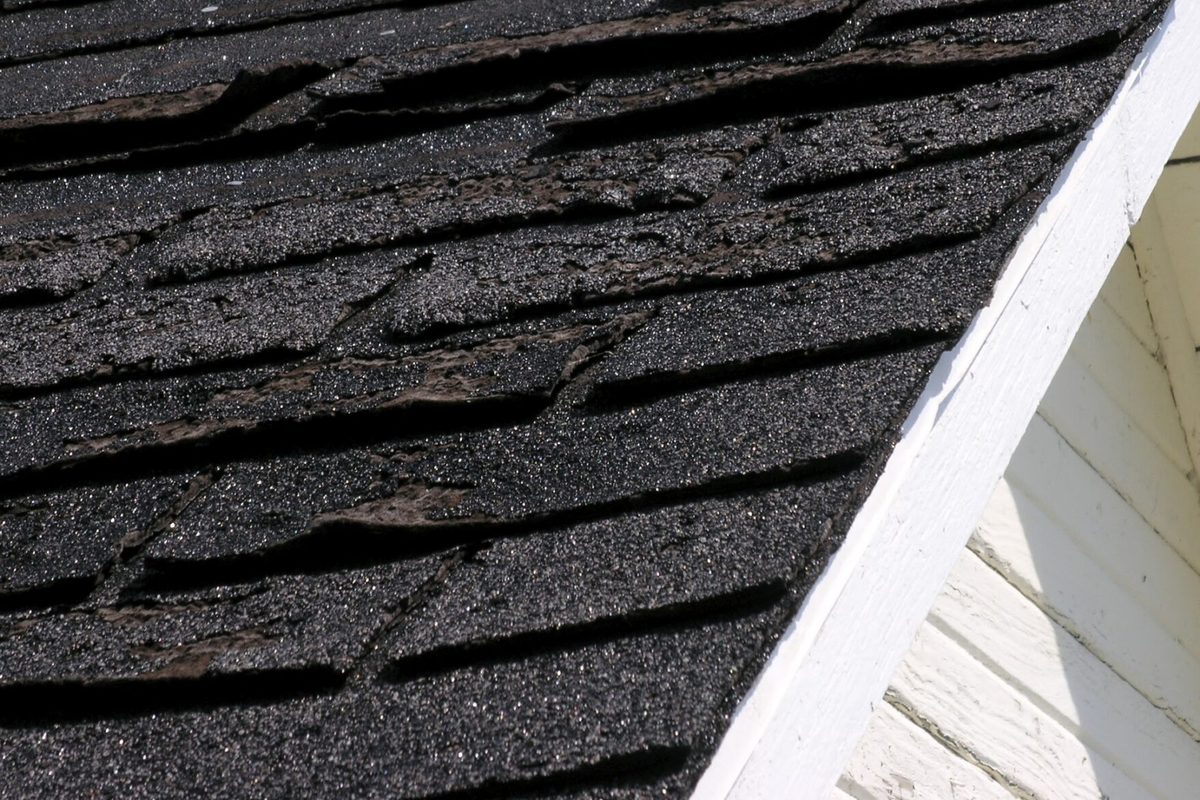
A chimney sits still and a roof does not. Asphalt shingles expand and contract through every Indiana temperature swing, the deck moves underneath them, and masonry anchored to a footing thirty feet below stays exactly where it is. The metal bridging those two bodies absorbs that movement every single day of its life, which is why flashing wears out on a schedule of its own rather than on the schedule of the shingles around it.
That is the part homeowners find surprising. We are regularly on a roof with eight or nine good years left in the shingle field, standing beside a chimney whose flashing gave up two winters ago. The roof is not old. One detail on it is, and that one detail is the only place on the whole plane where water is being asked to turn a ninety-degree corner against a vertical wall.
Freeze-thaw cycling makes it worse here than in a milder climate. Water finds a hairline gap in a sealed joint, freezes overnight, widens the gap a fraction of a millimeter, thaws and goes a little deeper the next time. Nobody sees any of that from the ground. What people see is a brown ring on a bedroom ceiling in March, usually on the chimney side of the room.
The Four Pieces That Make a Chimney Watertight
Base flashing is the apron across the downhill face of the chimney. It lies over the shingles below and turns up the brick, so everything coming down the slope runs across it and keeps going. It is the easiest piece to see from a ladder and usually the last one to fail.
Step flashing runs up both sides. These are individual L-shaped pieces, one per shingle course, each lapped over the one below it so the water is handed down the slope in stages. Step flashing is never a single long strip — a continuous piece of bent metal on the side of a chimney is one of the clearest signs that whoever did the work was not a roofer, and it is a leak waiting on the right storm.
Counterflashing is the top layer, let into the masonry itself and folded down over the step and base pieces so the vertical legs are covered. It is what keeps water from simply running behind the flashing it is protecting. And on the uphill side, if the chimney is wide enough, there needs to be a cricket — a small framed peak that splits the flow and sends it around both sides instead of letting it pile up against the brick.
Counterflashing, Mortar Joints and the Trouble With Caulk
Counterflashing belongs in a reglet — a cut groove in the mortar joint — where the metal is inserted, wedged and sealed so the joint holds the metal mechanically. When that is how it was built, the flashing survives decades of movement because the brick is carrying it, not an adhesive.
What we find instead, constantly, is metal laid flat against the face of the brick and stuck there with a heavy bead of sealant. That looks finished on the day it is done. Sealant is a consumable, though: it hardens, shrinks and lets go under ultraviolet light and thermal cycling, and once it releases there is an open channel straight down behind the flashing with nothing beneath it.
Mortar joints deteriorate on their own timeline as well. Older Indianapolis chimneys frequently need the joints repointed before new counterflashing can be cut in, because there is nothing solid left to cut into. We would rather tell you that during the inspection than seat good metal into crumbling mortar and have you call us again in a year.
Crickets: the Piece That Is Usually Just Missing
On the uphill side of a chimney, the entire roof plane above it drains straight into the back wall. A narrow chimney can handle that with flashing alone. A wide one cannot, because water and debris collect in the corner, sit against the brick and never fully dry between rains.
A cricket solves it with geometry instead of sealant. It is a small framed ridge built behind the chimney that divides the flow and carries it around both sides, so nothing ever pools against the masonry. It gets decked, underlaid and flashed as part of the assembly, and once it is there the back of the chimney stops being the wet corner of the roof.
This is one of the most common upgrades we make during a re-flash. Leaves and pine needles are what turn a missing cricket from a design shortcut into an active leak — the debris dams the corner, holds moisture against the brick through a whole Indiana winter, and the joint behind it fails first.
Repairing the Flashing Versus Rebuilding the Assembly
Some calls really are small. A lifted apron, a few loose steps, a section of counterflashing that pulled out of a joint — those get corrected in place, and if the surrounding shingles and mortar are sound the repair is a permanent one rather than a stopgap.
A full re-flash is the right call when the metal is rusted through, when the step flashing was installed as one continuous piece, when everything is held on with sealant, or when we find rotted decking at the base. That means stripping the shingle courses back around all four sides, removing every piece of old metal, replacing any compromised decking, and rebuilding the base, steps, counter and cricket in the correct order before the shingles go back.
If the chimney is being re-flashed and the roof is near the end of its life, we will say so and let you decide. Doing the flashing during a roof replacement or a shingle roof installation costs far less than opening the same courses twice, and the whole detail ends up new at once instead of new metal against tired shingles.
What a Chimney Leak Call Looks Like Here
We start inside where the evidence is. A stain directly below the chimney chase usually means the base or the deck under it. Staining that shows up a few feet away, or on the floor below, means the water traveled along framing before it surfaced, and that changes where we look first. Photographs of the ceiling matter more to us than a description over the phone.
Then we read the flashing on the roof in the order water would meet it: the cricket or the uphill corner, the steps down both sides, the apron across the front, and the counterflashing over all of it. We also check the crown and the cap, because a cracked crown or an open flue can put water inside the chase without ever touching the flashing — that one is worth ruling out before anyone pays for metal work.
You get the photographs and a written estimate with the findings spelled out, whether the answer is a two-hour correction or a full re-flash. If water is actively coming in, our 24/7 emergency roof repair crews will get it dried in the same day and return in daylight to build the permanent fix. If nothing is running right now, a free roof inspection covers the chimney along with the rest of the roof, and roof leak repair explains how we trace water that surfaces away from its source.
Frequently Asked Questions
Is the leak my chimney or my roof?
Almost always it is the joint between them. Brick itself can absorb water, and a cracked crown can let it into the chase, but the flashing where the masonry meets the deck is the failure point in the large majority of the chimney leaks we are called out to look at.
Can chimney flashing just be sealed instead of replaced?
Sealant is a legitimate part of a correct assembly and a poor substitute for one. If the metal is sound and correctly lapped, resealing a joint is reasonable maintenance. If the metal is rusted, wrong or installed as a single continuous strip, sealing it only delays the real repair and makes the eventual work harder.
What is a chimney cricket and does mine need one?
It is a small framed peak behind the chimney that splits water around both sides instead of letting it collect against the back wall. Width and slope decide whether yours needs one, and we will tell you during the inspection. Wide chimneys without a cricket are one of the most frequent problems we correct.
Do I need a mason or a roofer for this?
For flashing, a roofer. If the mortar joints have deteriorated to the point that counterflashing cannot be cut in, or the crown is cracked, masonry work has to happen first — and we will tell you that plainly rather than seating new metal into brick that will not hold it.
Should the flashing be replaced when the roof is?
Yes, and we recommend it every time. The shingle courses around the chimney are coming off regardless, the crew is already there, and reusing old metal is the single most common reason a brand-new roof leaks at the chimney in its first year.
How quickly can someone look at a chimney leak?
Call (317) 726-6000 and a live person picks up, day or night, weekends and holidays included. Active water coming into the house is handled as an emergency call; otherwise we schedule the inspection, and the inspection and written estimate cost you nothing either way.
Chimney Flashing Repair Across the Indianapolis Metro
We correct chimney flashing throughout the ten counties we serve — including Carmel, Fishers, Noblesville, Greenwood, Speedway, Plainfield and Lawrence. For the roof around the chimney see roof repair, after a storm see storm and hail damage repair, or look at what a repair costs before you call. See every city and town we cover →
Get a free roof inspection
No charge, no obligation, and you keep the photographs. A live person answers 24 hours a day.