
The Short Answer
A roof leak is found by tracing water backward from where it appears, not by patching the spot above the stain. Water runs along rafters, truss plates and the underside of decking before it drops, so the entry point is frequently several feet uphill of the damage you see inside. John Beal Roofing has been family-run since 1947, is Owens Corning Platinum Preferred and BBB A+ rated, and sends in-house crews rather than subcontractors. A live person answers (317) 726-6000 at any hour, and the inspection that produces your written estimate is free.
Where the Water Comes In Versus Where You See It
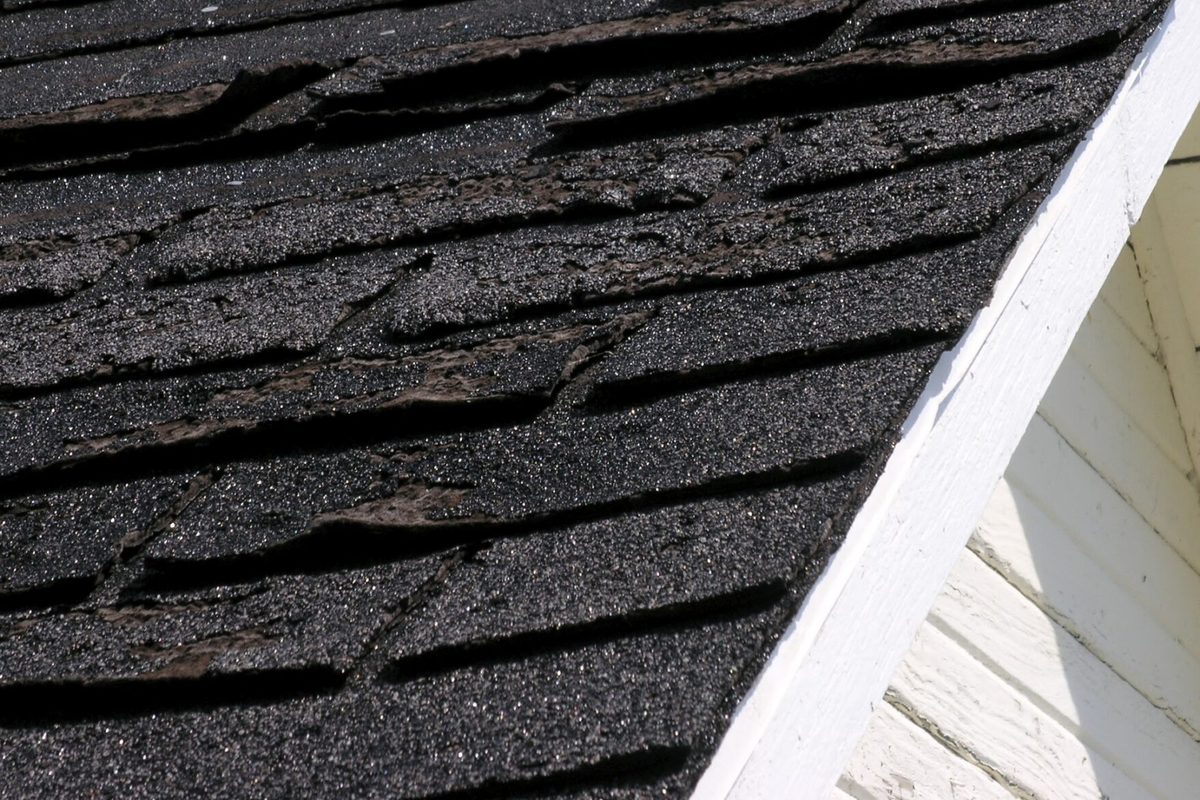
The single most useful thing a homeowner can understand about a leaking roof is that gravity is not the only thing moving the water. Once rain gets past the shingle and the underlayment, it lands on decking, runs down the slope of that decking until it meets a rafter or a truss chord, then travels sideways along that framing member until something interrupts it. Only then does it drop onto insulation and finally show up on your ceiling.
That is why a stain in the middle of a bedroom ceiling can be produced by an entry point eight feet away and two feet higher up the slope. Cutting into the drywall under the stain tells you almost nothing. Standing on the roof directly above the stain and sealing whatever looks suspicious is worse, because it feels like a fix, costs money, and the ceiling gets wet again during the next long rain.
Tracing is the whole job. We work from the inside out: find the wet framing, follow it uphill to the highest point of moisture, then correlate that location with what is on the roof surface directly above it. The roof-side culprit is usually within a couple of feet of that point, and it is usually a penetration, a transition, or a fastener — not a hole in the middle of a shingle field.
What We Look At in Your Attic First
Attic access changes a leak diagnosis from a guess to a fact, so whenever there is a hatch we go up before we go on the roof. Daylight showing through decking is obvious and rare. What we are actually reading is the pattern of staining on the sheathing: a dark teardrop below a nail is a different problem than a long rust-streaked run down a rafter, and a wide gray halo around a vent pipe points somewhere else again.
We also check whether the insulation is compressed and matted in one spot, because saturated insulation holds its shape after it dries and marks the drip path even on a dry day. Rusted nail shanks, mold blooming on the north-facing sheathing, and delaminated plywood all indicate the leak has been running for months rather than starting with last night's storm.
If there is no attic — a cathedral ceiling, a finished bonus room, a low-slope section over an addition — we lose that view and rely on surface inspection, moisture readings and, when the weather cooperates, controlled water testing from the bottom of the slope upward until the leak reproduces.
Leaks That Turn Out Not to Be the Roof
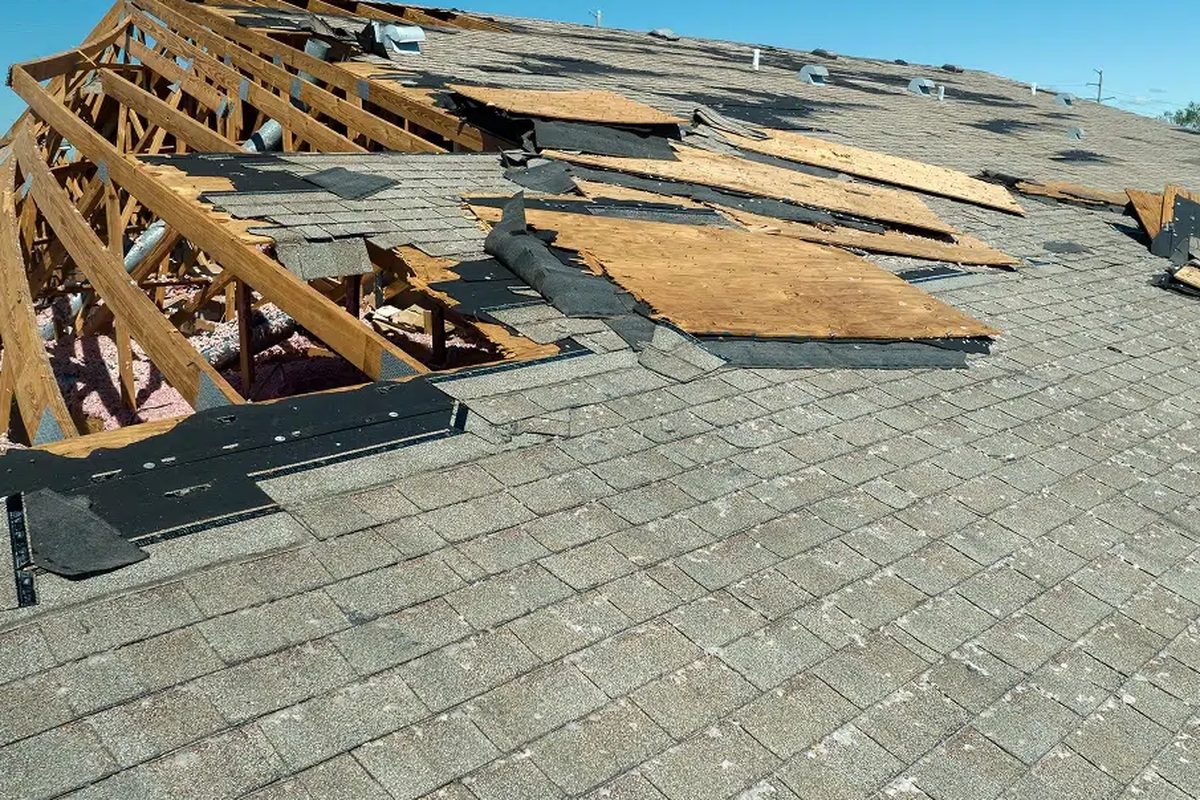
Not every ceiling stain in central Indiana comes from a failed roof, and telling you so costs us a job we would rather not take. Winter condensation is the most common impostor. A poorly ventilated attic collects warm moist household air, that moisture condenses on cold sheathing, and when the temperature climbs it rains inside your own attic. The stain looks exactly like a leak but appears after a cold snap rather than after rain. That is a ventilation problem, and our attic ventilation guide explains what actually fixes it.
Ice damming produces the same confusion in January. Snow melts over the warm part of the roof, refreezes at the cold eave, and the resulting dam backs water up under the shingle courses where no shingle is designed to hold it. The roof can be in perfect condition and still leak under those conditions.
The rest of the impostors are wall-side: failed window head flashing, siding that was never kicked out at a roof-to-wall junction, a bathroom exhaust fan dumping into the attic instead of through the roof, and condensate lines from an attic-mounted air handler. We check all of them before we quote roofing work, because replacing a roof does not fix a window.
Stopping an Active Leak Tonight
When water is actively coming into the house, the order of operations is stop it, then diagnose it, then repair it correctly. A properly installed emergency tarp is a real intervention rather than an upsell — it buys several dry days so the actual repair can be scoped in daylight and executed safely. Our 24/7 emergency roof repair line is answered by a live person, not a machine, at three in the morning as readily as three in the afternoon.
Inside the house, the most valuable thing you can do before we arrive is relieve the pressure. A bulging, heavy ceiling holding trapped water is a collapse risk; puncturing the low point of that bulge with a screwdriver and catching the water in a bucket does far less damage than letting the whole section come down. Move electronics and furniture out from under it and photograph everything for your insurer.
What we will not do is attempt a permanent repair in the dark or during an active storm. Roofing in unsafe conditions produces work that fails and puts people in the hospital. Tarp first, repair right, in daylight.
What the Repair Itself Involves
Once the entry point is identified, the repair is scoped in writing before anyone touches the roof. That scope names the specific failure being corrected, how far back we are tearing to reach dry material, whether any decking is coming out and at what price per sheet, and what underlayment and flashing detail goes back down.
Wet decking gets replaced rather than covered. Plywood that has been soaked repeatedly loses its ability to hold a nail, and shingles fastened into soft sheathing lift in the next windstorm, which is how a leak repair turns into a second leak repair. If the sheathing is sound we say so and leave it alone.
When tracing turns up several unrelated entry points on a roof already deep into its service life, we will tell you that repairing each one individually is poor value and lay out the replacement numbers alongside the repair numbers. Plenty of leaks, though, are one bad boot or one length of step flashing, and those get a straightforward roof repair and a written workmanship warranty on qualifying work.
One category of leak deserves its own treatment, because the water is arriving through an opening that was cut on purpose. If the stain on your ceiling sits under a skylight, the flashing around the unit is the first thing we look at rather than the glass — our skylight repair and installation page explains how those leaks are traced and corrected.
Frequently Asked Questions
Why is my ceiling stain not directly under the hole in my roof?
Because water travels. After it gets past the shingle it runs down the decking, catches a rafter or truss, and moves sideways along that framing before it finally drops through the insulation. The entry point is often several feet uphill of the stain, which is why the leak has to be traced rather than guessed at.
Can you find a leak when it is not raining?
Usually, yes. Attic staining, rusted fasteners, matted insulation and moisture readings all record where water has been running. When the evidence is ambiguous we can water test the slope in sections from the bottom up until the leak reproduces, which pinpoints the entry within a few feet.
Do I need a whole new roof because of one leak?
Frequently not. A single failed pipe boot or a run of bad step flashing on a roof with real service life left is a repair, and we will put that recommendation in writing. We only lay out replacement numbers when the roof has multiple unrelated entry points or the shingle is at the end of its life.
How fast can someone get here for an active leak?
Call (317) 726-6000 and a live person answers at any hour, including overnight and on weekends. Active interior leaks are triaged for emergency tarping first so the water stops, with the permanent repair scheduled behind it.
Will my homeowners insurance cover a roof leak?
It depends on the cause. Damage from a sudden event such as wind or hail is typically what policies respond to, while gradual wear and deferred maintenance generally is not. We document what we find with photographs you keep, and our Indiana claim guide walks through the process.
Is the leak inspection free?
Yes. The inspection and the written estimate cost nothing and carry no obligation, and the photographs are yours whether or not you hire us. John Beal Roofing has operated that way since 1947.
Roof Leak Help Across the Indianapolis Metro
Leak calls come in from every county we cover — including Carmel, Fishers, Greenwood, Avon and Greenfield. Start with a free roof inspection, or after a storm see storm and hail damage repair. See every city and town we cover →
Get a free roof inspection
No charge, no obligation, and you keep the photographs. A live person answers 24 hours a day.