
The Short Answer
An ice dam is a ridge of ice that builds along the cold lower edge of a roof when heat escaping from the attic melts the snow above it, and the water that pools behind that ridge can creep up under the shingles and drip into walls, ceilings and insulation. Removing one safely means melting a channel through it without prying, chopping or blasting the roofing underneath, and keeping it from coming back means fixing the heat loss that caused it in the first place. A family-run company since 1947, John Beal Roofing has earned Platinum Preferred standing with Owens Corning, carries an A+ rating from the BBB, and sends its own in-house crews instead of subcontractors. Dial (317) 726-6000 at any hour and a person, not a recording, picks up; the inspection and the written estimate are both free.
How an Ice Dam Forms on an Indianapolis Roof
Central Indiana winters rarely stay frozen for long. A few inches of snow land, the temperature hovers near freezing for a week, and the roof spends that week cycling between melting and refreezing. That back-and-forth is exactly what an ice dam needs.
The melting starts higher up the slope, over the heated part of the house. Warmth leaking through the ceiling into the attic raises the temperature of the roof boards enough to turn the bottom layer of snow to water, even on days when the air outside is well below 32 degrees. That water trickles downhill beneath its blanket of snow until it reaches the overhang, which sits outside the walls and stays as cold as the open air. There it freezes.
Each round of melting adds another layer to the ridge at the eave. Within a few days it can stand several inches tall, and the next batch of meltwater stops behind it and forms a pool. Shingles are designed to shed water running down a slope; they were never meant to hold back standing water, so the pool finds the seams between courses, rises under the tabs and reaches the wood.
Warning Signs Before Water Shows Up Inside
Heavy icicles hanging from the gutters or the drip edge are the most visible clue, especially when they cluster on one section of the house and not another. A thick, lumpy band of ice sitting on the bottom few feet of the roof is the dam itself. Gutters packed solid and bowing away from the fascia mean water has been freezing there over and over.
Study the snow pattern as well. A roof that loses heat evenly to the outdoors holds its snow evenly and gives it up slowly. Bare stripes or patches high on the slope while the eaves stay buried point to warm spots in the attic, often above a bathroom, a recessed can light, the attic hatch or a poorly sealed chimney chase.
Indoors, ice dam water tends to appear along exterior walls rather than in the middle of a ceiling. Bubbling paint or damp drywall near the top of a wall, a brown line along the crown molding, water running down the inside of a window frame, or frost coating the underside of the roof boards in the attic all deserve a closer look. If water is already dripping, our roof leak repair page explains how we track it to the source.
What Not to Do With a Hammer, Salt or a Pressure Washer
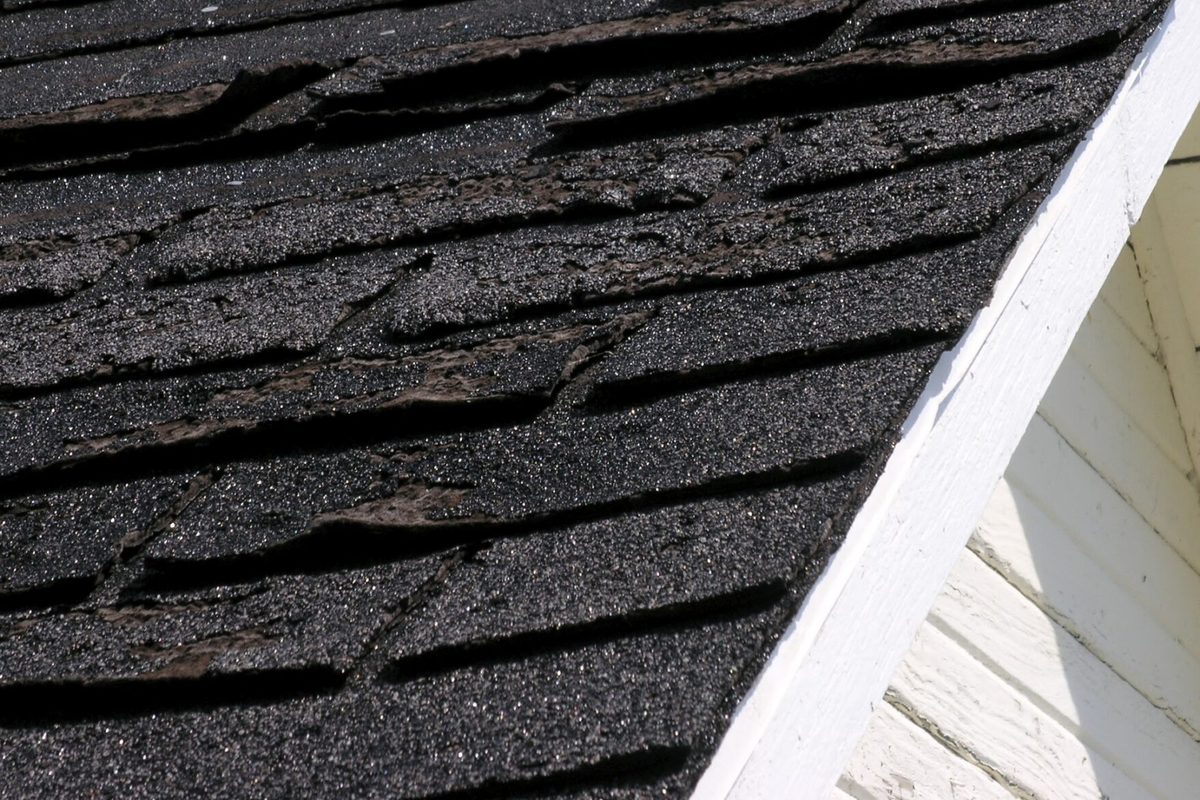
The urge to climb up and break the ice apart is understandable, and it causes more roof damage than almost anything else we see in late winter. Asphalt shingles turn brittle in the cold. A hammer, hatchet or ice chisel that misses by an inch cracks the shingle, tears its sealant strip and can puncture the membrane below, turning a temporary ice problem into a permanent leak.
Rock salt is another mistake. Scattered across a roof it can corrode metal flashing, gutters and fasteners, and the brine running off the eaves burns the shrubs and lawn below. Pressure washers strip granules off shingles and can drive water up beneath the courses, which is the very problem you were trying to solve. Torches and heat guns are a fire hazard on any roof and have no place near one.
There are safe steps a homeowner can take. A long-handled roof rake worked from the ground pulls the lowest few feet of snow off the eaves after a storm, which cuts off the supply of meltwater. Skip the ladder when the ground and gutters are icy, keep well clear of the service line to the house, and leave anything that requires standing on the roof to a crew with fall protection.
How Our Crews Handle an Active Ice Dam
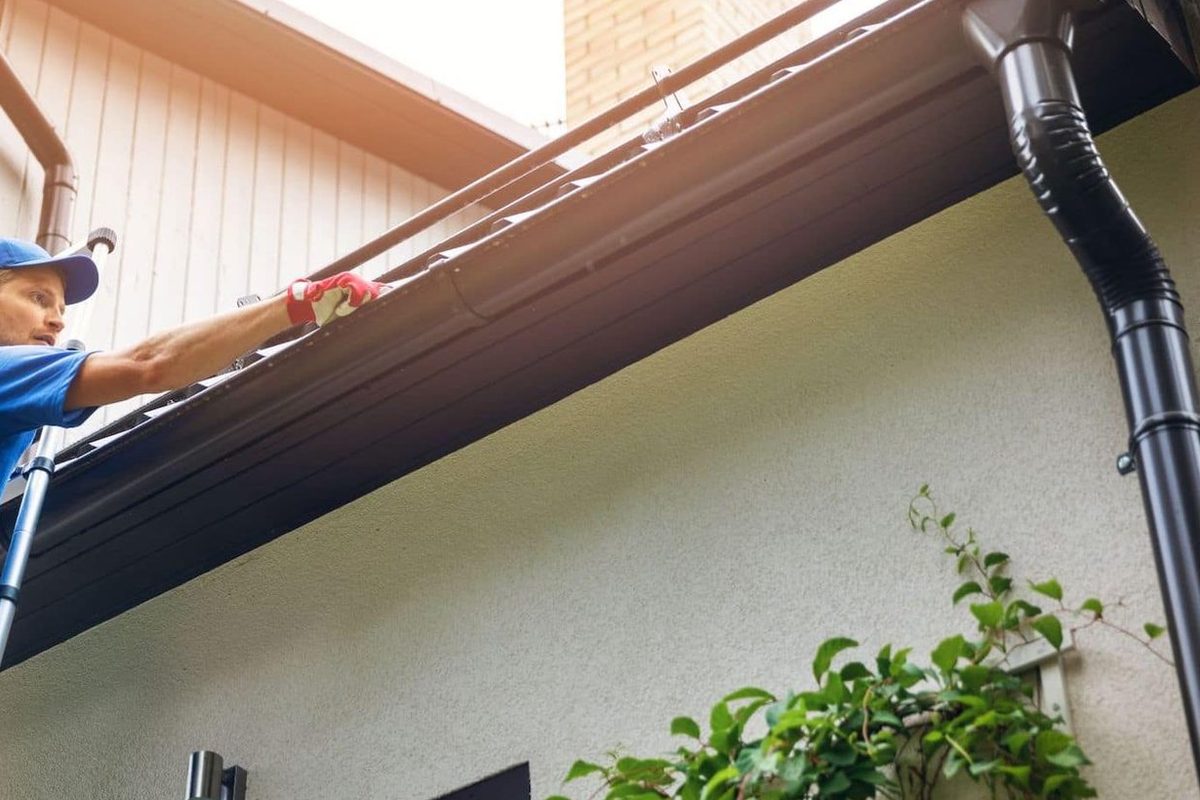
When an ice dam is already pushing water into the house, the first job is making the water stop. The crew clears snow from the affected stretch of roof and melts a channel through the ice so the trapped pool can drain over the edge. The aim of that first visit is to relieve the pressure behind the dam, not to strip every chunk of ice off the house.
Ice is cut back with low-pressure steam, which melts through it without the force that scours granules and lifts shingles. The work moves in sections, away from the gutters and downspouts so they can carry water again, and the runoff is kept off walkways where possible. Nothing gets pried loose with a metal bar.
With the ice under control, we look at what the water has already done: soaked insulation, stained sheathing, loosened gutters and cracked shingles at the eave. Wherever water reached the attic or the rooms below, we photograph it. If the weight of ice or a winter storm has actually opened the roof, our 24/7 emergency roof repair crews can tarp it that night.
Stopping Ice Dams From Coming Back
Removing the ice treats the symptom. The cause is nearly always heat and moisture reaching the underside of the roof, and the cure happens in the attic as much as on the shingles. Air sealing comes first: gaps around light fixtures, plumbing stacks, wiring holes, the attic hatch and the top plates of interior walls let warm, damp household air rise straight into the attic.
Insulation is next. A thin or patchy layer on the attic floor lets warmth through to the roof, and batts that have been stuffed into the eaves can smother the soffit vents that are supposed to keep the overhang cold. Baffles fitted into each rafter bay hold the insulation back and keep an open air path running up from the soffit.
Ventilation ties the system together. Outside air drawn in low at the soffits and exhausted high near the ridge keeps the whole roof close to the outdoor temperature, so snow melts from the sun rather than from the furnace. Our guide to attic ventilation covers how intake and exhaust are balanced. Heat cables can help on one stubborn valley or overhang, but they leave the heat loss untouched and must be installed and maintained with care.
Ice and Water Barrier, Gutters and the Next Roof
No roof can be made immune to ice, so the bottom edge needs a backup. Self-adhering ice and water barrier is a rubberized membrane that bonds directly to the sheathing and seals around each nail driven through it. Laid along the eaves, in the valleys and around chimneys, skylights and pipes, it holds back water that slips under the shingles until that water drains or refreezes harmlessly.
On many older Indianapolis homes the membrane is missing altogether or covers only a narrow strip at the edge. If ice damage keeps recurring and the shingles are already worn out, adding barrier at the eaves belongs in the scope of a roof replacement, together with corrected ventilation and any rotted boards found at tear-off, as described on our roof decking replacement page. The full layered system is laid out on our shingle roof installation page.
Gutters play a part too. Clogged or undersized runs hold ice and slush at the edge of the roof, and gutters sagging away from the fascia let meltwater slip behind them and rot the wood. Clean, properly pitched gutters with well-placed downspouts, covered on our gutter installation page, let the eave drain freely on the milder afternoons between cold snaps.
Frequently Asked Questions
Are icicles on my gutters always a sign of an ice dam?
Not always. A few slender icicles can form from ordinary sun melt. Large, thick icicles paired with a ridge of ice on the bottom edge of the roof, or icicles concentrated over one part of the house, usually mean heat is escaping into the attic and a dam is building.
Should I chip the ice off my roof myself?
No. Chipping, prying and hammering crack cold shingles and puncture the membrane beneath them, and walking an icy roof is dangerous. Raking snow off the eaves from the ground is a safer step; anything on the roof itself is best left to a professional crew.
Will a new roof stop ice dams?
A new roof adds protection, especially with ice and water barrier along the eaves, but it does not stop the ice from forming. Ice dams come from attic heat loss, so air sealing, insulation and ventilation have to be corrected for the problem to go away.
Do heat cables prevent ice dams?
They can keep a drainage path open along an eave or valley that ices up every year, but they treat the symptom rather than the cause and draw power all winter. They also have to be installed so they do not damage the shingles or create a fire risk. We generally recommend fixing the attic first.
Does homeowners insurance cover ice dam damage?
Many policies treat sudden water damage inside the home differently from the cost of removing ice or correcting the conditions that caused it. Coverage depends on your policy and your adjuster. We photograph and document what we find so you have a clear record for the claim.
What should I do if ice dam water is coming into my house right now?
Move belongings away from the drip, catch the water in a bucket, and switch off power to any light fixture the water is reaching. Then call (317) 726-6000. A live person answers 24 hours a day, and we will arrange to relieve the water and inspect the damage.
Ice Dam Help Across the Indianapolis Metro
Winter brings calls from every corner of the area we cover, from older neighborhoods in Greenwood and Greenfield to newer subdivisions in Carmel, Fishers, Westfield and Noblesville, and out west to Brownsburg. Want the attic and roof checked before the first heavy snow? Book a free roof inspection; for smaller fixes at the eave, see roof repair or our roof repair cost guide. See every town on our service map →
Get a free roof inspection
No charge, no obligation, and you keep the photographs. A live person answers 24 hours a day.