
The Short Answer
When a skylight leaks in Indianapolis, the glass is almost never the reason — the water is coming in around the unit, at the curb, the step flashing or the head, where the roof was interrupted. That distinction decides whether you need a two-hour flashing correction or a new unit set into a rebuilt opening. John Beal Roofing has been family-run since 1947, is Owens Corning Platinum Preferred and BBB A+ rated, and sends its own in-house crews rather than subcontracting the work out. A live person answers (317) 726-6000 at any hour, and the inspection behind your written estimate is free.
Why Skylights Get Blamed for Leaks They Did Not Cause
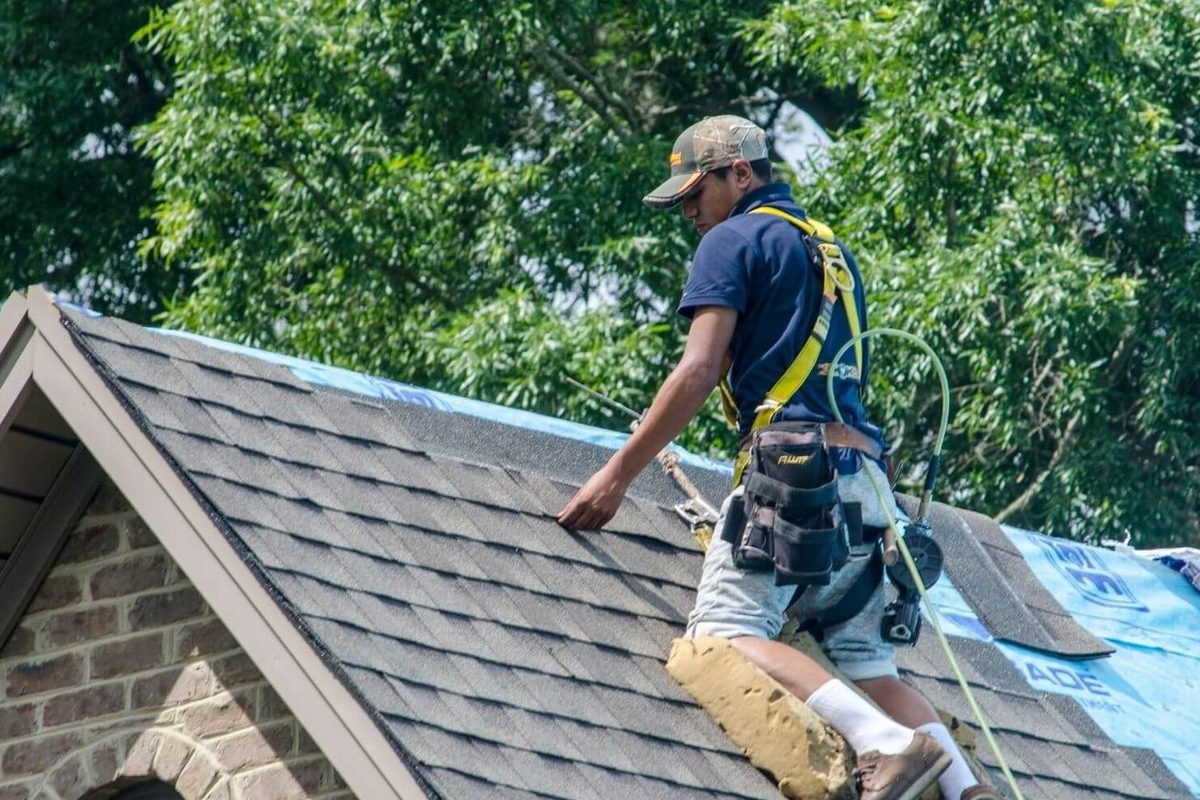
Homeowners call us about a wet drywall return under a skylight and describe it as a broken window. In the overwhelming majority of those visits the unit itself is holding fine. What has failed is the transition between a manufactured object and a field-built roof — the flashing kit, the curb, the sealant at the head, or the shingle courses that had to be woven around all of it.
That transition is unforgiving because it sits in the path of everything running down the slope above it. A skylight interrupts the drainage of the entire roof plane over its head, and all of that water has to be split, carried around both sides and rejoined below without ever getting under a course. Done properly it lasts decades. Done in a hurry it leaks the first time a storm drives rain uphill.
It matters diagnostically, too. Sealing the glass edge on a unit that is not the source is a very common and very expensive way to spend a Saturday and still have a stain on the ceiling. We look at the flashing before we look at the skylight, every time, because that is where the answer usually is.
Curb-Mounted, Deck-Mounted and What That Changes
Deck-mounted units sit low, attached directly to the roof deck, and rely on a manufacturer flashing kit made specifically for that model and that roof covering. When the right kit was used and installed in the correct order, the assembly is excellent. When someone substituted generic aluminum and caulk, it is a leak with a delay built into it.
Curb-mounted units sit on a wood box framed up off the deck, usually four to six inches tall. That extra height is genuinely protective in an Indiana winter, because it keeps the glass edge above drifted snow and out of the ice that collects in the low corner of a valley. The curb has to be flashed like a small chimney: base, step, counter and a head with a diverter behind it.
There is a third category we meet often on older Indianapolis houses — site-built skylights with no manufactured unit at all, just a wood frame and glazing installed decades ago. Those can be made watertight for a season, but they are the ones we most often recommend replacing with a modern unit, because there is no gasket system in them that was designed to survive freeze-thaw cycling.
Condensation, Fogging and Failed Seals
Not all water under a skylight came off the roof. A skylight is the coldest surface in a warm room, and in January warm household moisture will condense on the frame and glass and run down onto the drywall return exactly the way a leak does. The tell is timing: condensation shows up on cold clear nights, a leak shows up during or right after rain.
Poor attic ventilation makes it much worse, because the shaft between the roof opening and the ceiling opening becomes a cold chimney that collects moisture. Where we see chronic condensation, the fix is often as much about airflow as about the unit, which is why a skylight complaint sometimes turns into an attic ventilation conversation.
Fogging or haze trapped between the panes is different again. That is a failed insulated glass seal, and it cannot be repaired — the sealed unit is a sealed unit. It does not usually leak water into the room, but it will never be clear again and the insulating value is gone, so it becomes a replacement decision on your schedule rather than an emergency.
Repairing a Skylight Versus Replacing the Unit
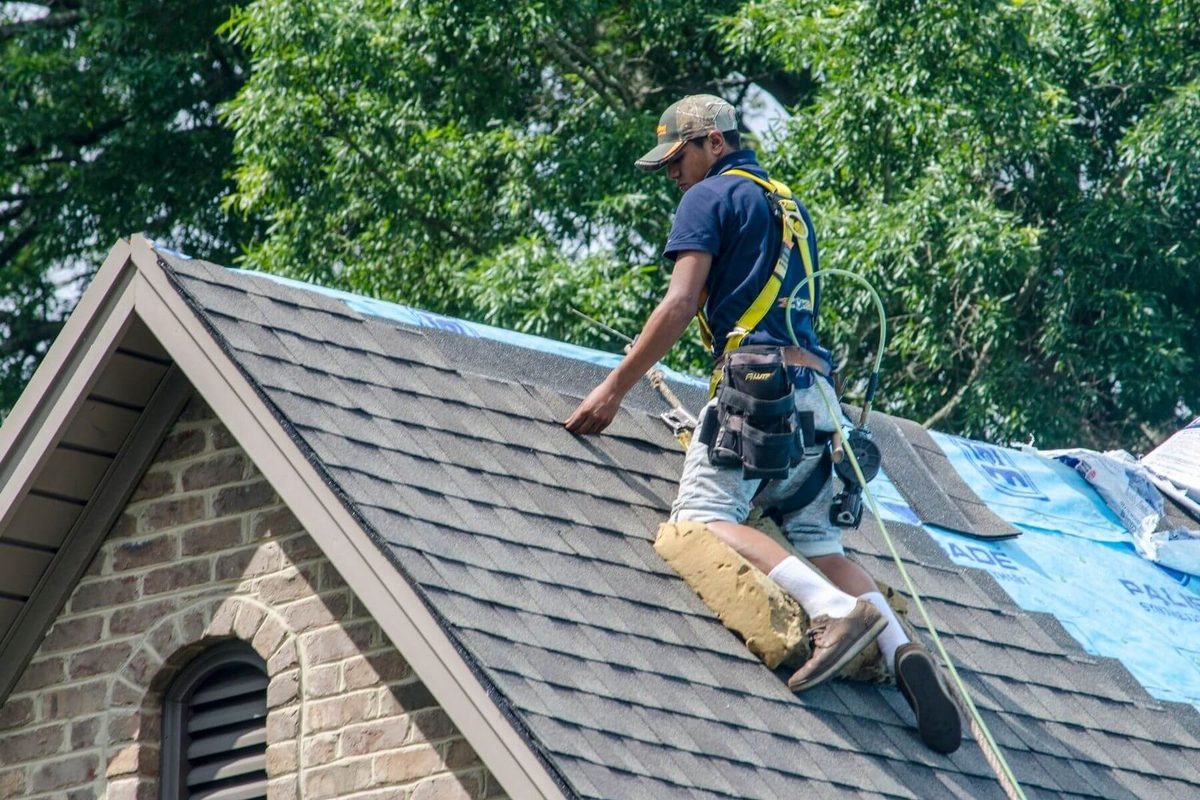
We repair when the unit is sound and the failure is in the details around it. That means stripping the shingles back above and beside the skylight, removing the old flashing, correcting whatever was wrong underneath, and reinstalling with the correct kit and the correct overlap order. It is real roofing work, not a bead of sealant, and it is a permanent fix when the unit has life left.
We recommend replacement when the frame is rotted, the gaskets have gone hard and crazed, the seal has failed, or the unit is old enough that parts for it no longer exist. Replacing while the roof is already open is far cheaper than replacing it on its own later, which is why we always raise the question before a tear-off rather than after.
The single most common recommendation we make: if your skylight is near the end of its life and your roof is being replaced, do both at once. Setting a new unit into fresh decking and fresh underlayment with a new flashing kit and new shingle courses is how you get a skylight that is simply never a topic of conversation again. Our roof replacement and shingle roof installation pages cover how that work is sequenced.
Installing a Skylight Where There Was Not One
Adding a skylight to a dark hallway, a stairwell or a north-facing bathroom is one of the few roofing projects people genuinely enjoy the result of. It is also structural work. The opening has to be framed with headers, the rafters cut and supported, a shaft built and insulated between the roof and the ceiling, and the drywall returned and finished before anyone sees daylight through it.
Placement is a roofing decision before it is a design decision. We keep a new opening out of valleys, away from the path of water shedding off an upper roof, clear of plumbing stacks and bath fans, and positioned so the shaft can actually be built between the existing framing without cutting anything that is carrying a load it should not lose.
Because the work crosses the roof, the framing and the ceiling, it goes to our in-house crews rather than a chain of subcontractors. One company opened the roof, one company closes it, and the same workmanship commitment covers the flashing and the finish.
What a Skylight Service Call Looks Like
We start in the room. Where the stain sits on the drywall return — head, sill or one side — narrows the suspect list before anyone touches a ladder. A stain across the top of the return points at the head flashing or the shingle courses above it. Stains on one side usually mean step flashing. Water at the sill is often coming from above and simply arriving there last.
Then we get on the roof and read the flashing in order, checking that the base sits over the underlayment, the steps are woven course by course, and the head has a diverter or saddle if the slope above it is long enough to need one. We photograph what we find and show you the pictures, including the areas we ruled out on the way.
If water is running into the house right now, that does not wait for a scheduled appointment — our 24/7 emergency roof repair crews will dry the opening in and come back in daylight for the permanent correction. If nothing is actively leaking and you simply want the unit assessed, a free roof inspection covers the skylights along with everything else, and roof leak repair explains how we trace water generally.
Frequently Asked Questions
Is my skylight leaking, or is that condensation?
Timing tells you. Water that appears during or just after rain is a leak. Water that shows up on cold, clear winter nights and is worst in the morning is almost always condensation from warm indoor air meeting cold glass, and the answer there is usually ventilation and humidity rather than flashing.
Can you just seal around my skylight to stop the leak?
We generally will not, because it rarely holds. Surface sealant over failed flashing hides the problem for a season and makes the eventual proper repair harder. The correct fix is to open the shingle courses, replace the flashing in the right order, and close it back up.
My skylight glass is foggy inside. Can that be fixed?
No — a fogged pane means the insulated glass seal has failed, and a sealed glass unit cannot be re-sealed in place. It is not an emergency and it will not usually leak, but the clarity and the insulating value are gone permanently, so it becomes a replacement you can schedule.
Should I replace my skylights when I replace the roof?
If they are aging, yes, and we will tell you plainly either way during the inspection. The roof is already open, the flashing and shingle courses around the unit are being rebuilt regardless, and doing it then costs far less than opening the same area again in a few years.
Do you install skylights in a roof that does not have one?
Yes. That includes framing the opening, supporting the cut rafters, building and insulating the shaft, setting and flashing the unit, and finishing the drywall return. Our own crews do the work rather than handing pieces of it to subcontractors.
How fast can someone look at a skylight that is leaking today?
Call (317) 726-6000 and a live person answers, day or night, weekends included. If water is coming into the house we treat it as an emergency call, and either way the inspection and the written estimate cost you nothing.
Skylight Repair and Installation Across the Indianapolis Metro
We work on skylights throughout the ten counties we cover — including Carmel, Fishers, Noblesville, Zionsville, Greenwood, Avon and Brownsburg. For the roof around the unit see roof repair, for whole-roof projects see roof replacement, or check what a repair costs before you call. See every city and town we cover →
Get a free roof inspection
No charge, no obligation, and you keep the photographs. A live person answers 24 hours a day.