
The Short Answer
TPO (thermoplastic polyolefin) is a single-ply roofing membrane, usually white, rolled out over insulation and joined at every seam with hot air so the overlapping sheets fuse into one continuous surface. It suits commercial buildings, apartment roofs, and the low-slope parts of houses such as porch roofs and rear additions, where shingles cannot shed water fast enough. A TPO roof performs only as well as its welds, flashings and edge details, so the crew installing it matters more than the brand printed on the sheet. John Beal Roofing is a family business that has been putting roofs on buildings since 1947, an Owens Corning Platinum Preferred contractor with an A+ rating from the Better Business Bureau, and every installer we send is on our own payroll. Reach a real person at (317) 726-6000 at any hour to set up an inspection that costs you nothing.
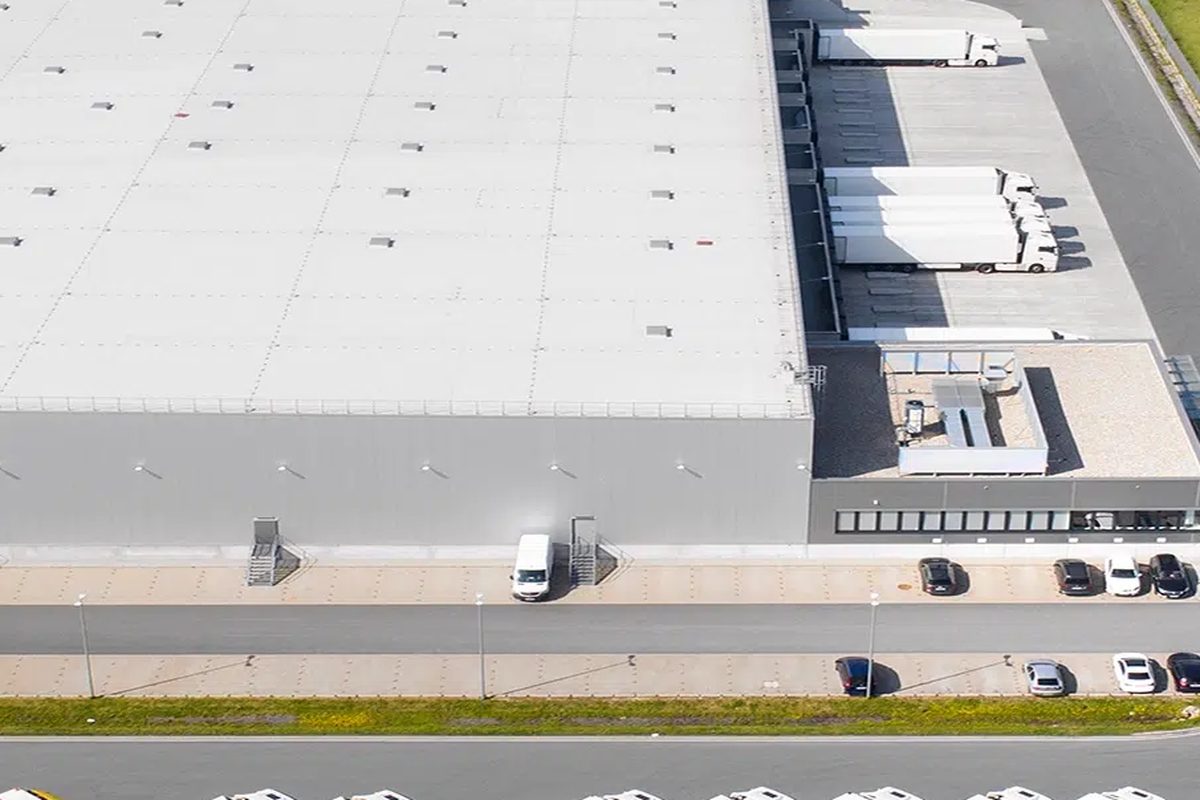
What TPO Is and Where It Fits
TPO is a blend of polypropylene and ethylene-propylene rubber, manufactured in wide sheets with a polyester reinforcing scrim sandwiched in the middle. Because it is a thermoplastic, heat softens it and it hardens again as it cools. The whole system is built around that property: two sheets laid edge over edge and heated together become a single piece of plastic rather than two pieces held by glue.
The membrane is made for roofs that are nearly flat. Shingles depend on gravity and overlap to move water downhill, and below a certain pitch the water moves too slowly and backs up beneath them. A low-slope roof needs an unbroken waterproof skin instead, and TPO is one of the most common ways to get one. Around Indianapolis we see it on distribution warehouses near the interstates, medical and professional offices, churches, schools, retail plazas and the tops of newer apartment buildings.
It shows up on houses more often than people expect, too. A screened porch tied into the main roof at a shallow angle, a modern addition with a flat top, or a detached garage that has leaked through three rounds of rolled roofing are all good candidates for a small TPO job.
Why Building Owners Choose a White Membrane
The white surface bounces back a large share of the summer sun instead of soaking it up the way a black roof does. On a one-story building with rooftop air handlers, that can ease the load on the cooling equipment through an Indiana July, and it keeps the membrane itself cooler, which slows the aging of the material.
Welded seams are the other draw. On older single-ply systems the laps were taped or glued, and adhesive is usually the first thing on a roof to give up. A properly fused TPO seam is typically stronger than the sheet on either side of it. Pipe boots, inside and outside corners and curb flashings are welded as well, so the finished roof has no glued joints quietly waiting to let go.
TPO is not the right answer for every building. It is stiffer than EPDM rubber, so complicated details take more care, and a dropped tool or careless foot traffic from other trades can puncture it. Roofs that see constant service visits may call for a thicker sheet or walk pads along the paths to the equipment, and we will talk through those trade-offs plainly. If you are weighing it against rubber or modified bitumen, our flat roof repair page walks through the common low-slope systems one by one.
How We Install a TPO Roof
Every installation starts with what is underneath the old roof. We cut test openings or pull cores to see whether the existing insulation is dry, and the crew walks the deck feeling for soft spots. Wet insulation should not be roofed over, because the trapped moisture keeps rotting the deck and stops the new membrane from bonding wherever it is adhered.
Next comes the insulation board, usually polyisocyanurate, laid in staggered layers and fastened or glued to the deck. Where water has been standing for years, tapered board can be cut to build slope toward the drains and scuppers so the new roof actually empties after a storm. A cover board often goes over the top to give the membrane a firm, even surface to sit on.
The sheet is then secured in one of three ways. Mechanically attached systems screw the membrane down with plates along the edge of each roll, and the next roll laps over those fasteners and is welded shut. Fully adhered systems bond the membrane to the board across its entire underside, which resists wind well and keeps the sheet from billowing. Ballasted systems, less common on smaller buildings, hold the membrane in place with a layer of stone. Which method fits depends on the deck, the height of the building and how exposed it is.
Long runs of seam are welded with a self-propelled hot-air machine and the details with a hand gun, and every inch of seam is checked afterward with a blunt probe to catch any spot that did not fuse. Walls are finished with termination bar and metal counterflashing, edges get metal trim, and drains get new clamping rings. Before the job is signed off, the crew walks the whole surface one more time.
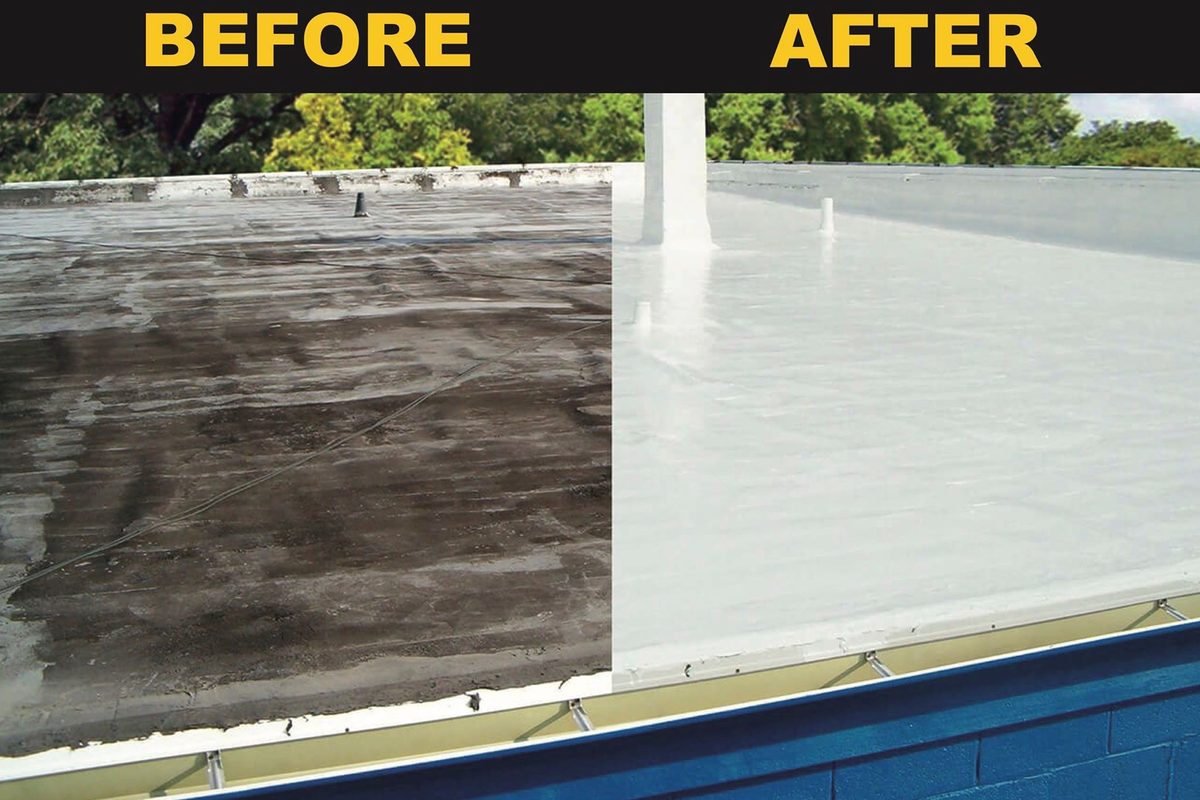
TPO Repair: Seams, Punctures and Flashing
Most TPO leaks we are called out to trace come from a short list of places. A seam welded too cold can look perfect and never have fused, then open after a few seasons of expansion and contraction. Pitch pans and pipe boots around rooftop units crack or pull away. Perimeter flashing works loose where the wall and the deck move at different rates. And a surprising number of holes are plain punctures, left by an HVAC technician's dropped screwdriver or a branch dragged across the roof by wind.
Repairs on this membrane are welded, not caulked. The area is scrubbed with a dedicated membrane cleaner, because weathered TPO grows a chalky surface film that keeps fresh material from fusing, and then a patch of new membrane with rounded corners is heat-welded over the damage so its edges will not peel. Silicone or asphalt sealant smeared onto TPO never truly bonds to it and usually makes the eventual proper repair harder. If water is already showing up on a ceiling inside, our roof leak repair page explains how we follow it back to the source.
Age changes the picture. A sheet that has weathered for many years may be too brittle or too contaminated to take a reliable weld anywhere, and at that point patching turns into a cycle of return visits. When a probe test shows new material will not fuse, we say so, and the conversation moves to recovering or replacing the roof.
Recover, Restore or Tear Off
When an existing flat roof reaches the end of its run, there are usually three paths. A recover lays new insulation and TPO directly over the old roof without removing it. A tear-off strips everything down to the deck and starts fresh. A restoration coating, sprayed or rolled over a membrane that is still sound, can stretch its service life without new sheets at all.
A recover saves on labor and disposal, but it only works when the old roof is dry and the structure can carry another layer, and building codes cap how many roof layers a building may have. If moisture readings find wet insulation across much of the roof, a recover simply seals the problem inside. A tear-off costs more up front, yet it exposes the deck, so rotted sections can be replaced and the drainage corrected at the same time.
Our commercial roofing team photographs the roof and records its moisture findings before recommending any of the three, so the decision rests on evidence instead of on whatever is easiest to sell. For owners and managers with several buildings, a written condition report on each roof makes budgeting far simpler than a stack of unrelated bids.
Keeping a TPO Roof in Service
TPO asks for little routine care, but it does ask for some. Drains, scuppers and gutters should be cleared of leaves and debris, particularly after the fall, because standing water and clogged outlets do more harm to a low-slope roof than almost anything else. A walk-through twice a year, once in spring and once in autumn, catches loose flashings and small punctures while they are still cheap to fix.
Keep track of who goes up there. Mechanical contractors, satellite installers and sign crews all work on commercial roofs, and the damage they leave is usually invisible from the parking lot. Asking them to stay on walk pads and to report anything they drop or cut saves a great deal of trouble later.
After hail or a strong wind, have the roof looked at even when nothing is dripping inside. Hail can crush the insulation beneath the membrane without breaking the surface, and wind can peel back an edge that then lets the next storm underneath. Our storm and hail damage repair crews handle those inspections, and if water is already pouring through a ceiling, the 24/7 emergency roof repair team can make the building safe overnight.
Frequently Asked Questions
How long does a TPO roof last?
That depends on the thickness of the membrane, the quality of the installation, how exposed the building is and how well the roof is maintained. A carefully welded roof that drains properly and is checked regularly will outlast one that holds water and goes years without anyone walking it. We would rather judge your roof in person than quote a figure from a brochure.
Is TPO the same thing as EPDM?
No. EPDM is a synthetic rubber, usually black, with its laps joined by tape or adhesive. TPO is a thermoplastic, usually white, with its seams fused together by hot air. Both perform well when installed correctly; which one suits you depends on the building, its details and how the roof gets used.
Can TPO go on part of a house?
Yes, on the sections with very little pitch. Porch roofs, flat-topped additions, low dormers and garage roofs are typical spots. The steeper slopes of the same house stay shingled, and the two are joined with proper flashing where they meet.
Can you install TPO over my existing roof?
Sometimes. A recover is an option when the current roof is dry, firmly attached and the building has not already reached the number of layers the code allows. We check for moisture and structural problems first and then tell you which approach makes sense.
What thickness of TPO membrane should I choose?
TPO is commonly made in 45, 60 and 80 mil sheets. A thicker membrane carries more material above the reinforcing scrim and holds up better to foot traffic and weathering. We recommend a thickness based on how your roof is used rather than giving everyone the same answer.
My TPO roof is leaking right now. What should I do?
Keep people and equipment clear of the drip, put containers under it and move anything electrical out of the wet area. Do not climb onto a wet roof to hunt for the hole. Phone (317) 726-6000 whatever the hour; someone on our team picks up, and we can stop the water first and come back for the permanent fix once the source is found.
TPO Roofing Around Indianapolis
Low-slope roofs are spread across the whole metro, from office parks in Carmel and Fishers and the warehouse corridor around Plainfield and Avon to retail strips in Greenwood, Lawrence and Speedway. Pitched sections of the same building are covered on our roof repair and roof replacement pages, the roof inspection page lists what a free visit includes, and the roof repair cost guide breaks down what moves the price. Find your town on the service area map →
Get a free roof inspection
No charge, no obligation, and you keep the photographs. A live person answers 24 hours a day.